The Overlanding YouTube Channels Actually Worth Your Time
Sixteen overlanding YouTube channels we actually watch, sorted by what you’ll get out of them: desert destinations, big trips, and life on the road.
MojaveOverland
Search articles, gear reviews, and guides
Sixteen overlanding YouTube channels we actually watch, sorted by what you’ll get out of them: desert destinations, big trips, and life on the road.
This winter’s El Niño has a 69% chance of being the strongest on record. Here’s what NOAA’s outlook actually says, what past strong El Niño winters really did in the Mojave, and how to plan camping trips around it.
Tire selection for desert running comes down to a handful of factors that most tire guides gloss over — heat buildup, aired-down performance on sand and rock, and sidewall durability on lava and sharp shale. Here’s how we think about it.
A first-person guide to solo camping in the Mojave — why the freedom is worth the extra prep, and exactly how I handle comms, safety, and picking a site when I’m out there alone.
The Mojave corridor was ripped open for silver, gold, borax, and copper between the 1860s and 1930s. Most of the towns that grew up around those strikes are gone. What’s left is worth the drive — if you know where to look and what you’re looking at.
Phone astrophotography doesn’t require a telescope. You need a dark enough sky, a way to hold the camera still, and about ten minutes of patience while the exposure runs. Most … Continue reading “Astrophotography from Desert Camp — Shooting the Night Sky With What You Already Have”
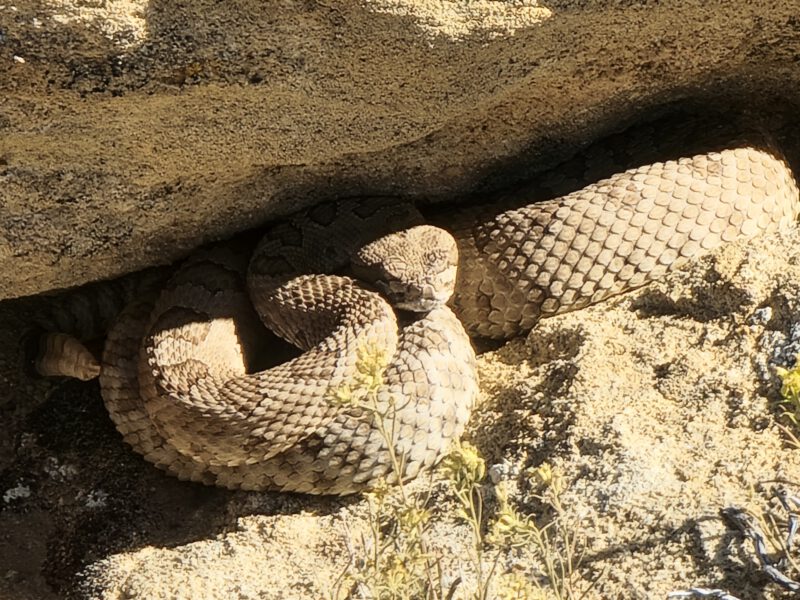
The Mojave corridor has a functional and in some cases surprising wildlife population. Most of it is not a threat. The parts that are worth knowing about are worth knowing about specifically — not generally.
The Mojave corridor runs from sea level to 11,000 feet and spans four states. Seasonal timing that works in the low desert makes no sense in canyon country Utah. Here’s how we think about the calendar for different parts of the territory.
The Mojave corridor sits far enough from major population centers that significant portions of it are genuinely dark. Not dark-ish. Actually dark, where the Milky Way is the brightest thing in the sky and you can read a map by starlight.